
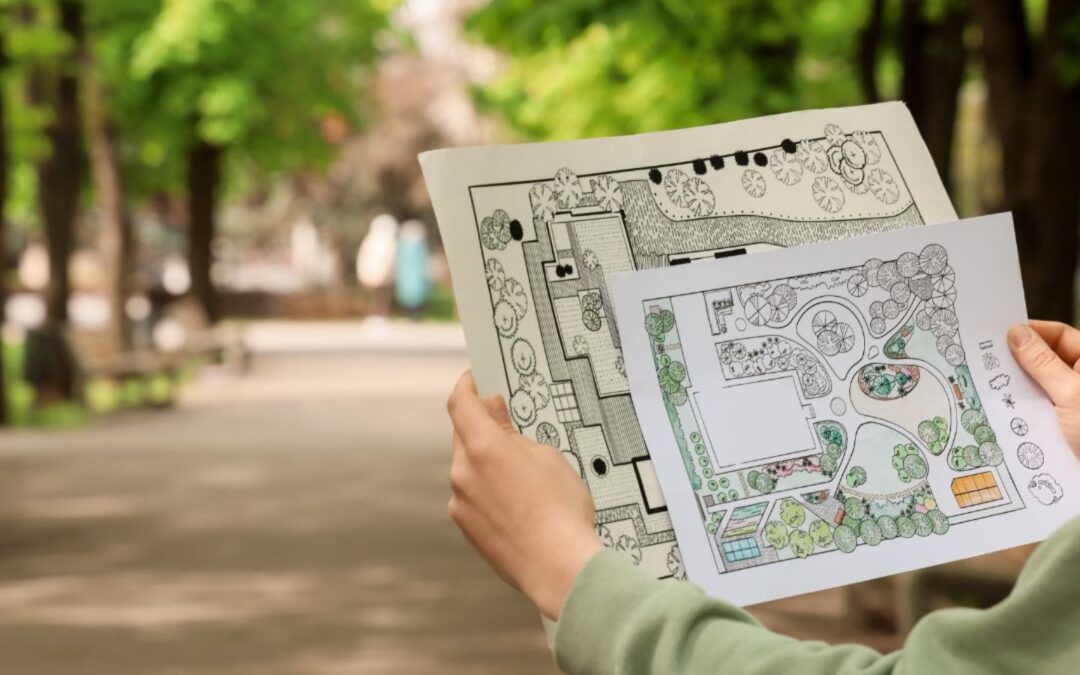
Backyard problems often become easier to notice as summer ends. Standing water may appear after storms, patios may develop uneven areas, and landscape beds may show signs of poor drainage or overcrowding.
Many homeowners wait until spring to address these problems. However, some fall backyard fixes can be more practical before winter arrives.
The potential savings do not necessarily come from lower contractor prices. They can come from preventing additional damage, avoiding repeat work, and giving larger projects more time for planning.
Why Fall Can Reveal Problems Worth Fixing
Fall provides a useful opportunity to evaluate the yard after months of summer weather.
Heavy rain can reveal drainage patterns, while months of outdoor use can make settling or movement in patios and walkways more noticeable.
Fall projects may include:
- Drainage corrections
- Retaining wall repairs
- Patio repairs
- Walkway repairs
- Erosion control
- Landscape bed improvements
- Landscape design
A common misconception is that a small backyard problem will remain unchanged until spring.
Water, soil movement, and structural problems can continue to affect a property during winter. Identifying the cause while the evidence is visible can help prevent the problem from affecting additional areas.
Which Fall Backyard Fixes Should Come First
Not every backyard improvement needs to happen before winter.
Problems that affect drainage, soil stability, or structures generally deserve more attention than cosmetic changes.
These fall backyard fixes can help address problems before winter conditions make them more difficult to evaluate or repair.
A practical priority list includes:
- Standing water
- Active soil erosion
- Leaning retaining walls
- Settled pavers
- Damaged walkways
- Poorly draining planting beds
The key question is whether the problem can affect another part of the yard. For example, installing new plants before correcting poor drainage may leave those plants exposed to the same conditions next year.
Addressing the underlying problem first can prevent new landscaping work from having to be disturbed later.
Drainage Problems Can Become More Expensive
Drainage problems are often easier to identify after summer storms.
Water may collect near a patio, remain in a low area of the lawn, or move toward the house instead of draining away.
Adding soil or mulch may hide the problem, but it does not necessarily correct the cause.
The issue may involve:
- Poor grading
- Soil settlement
- Compacted soil
- Erosion
- An ineffective drainage path
A professional evaluation looks at where the water originates, where it travels, and where it needs to go.
Recurring water patterns are more significant than a single puddle after an unusually heavy storm. Continued runoff can also wash away soil and affect nearby planting beds or hardscape features.
Hardscape Warning Signs Should Not Be Ignored
Patios, walkways, and retaining walls can show warning signs before a larger repair becomes necessary.
Homeowners may notice:
- Leaning retaining wall sections
- Separated wall blocks
- Uneven pavers
- Cracks
- Soil washing away
- Water collecting near patios
These signs should not automatically be treated as cosmetic problems.
A retaining wall may need attention to drainage and the soil behind it, not just replacement of visible blocks.
Repeatedly settling pavers can also point to movement below the surface. The base, grading, and drainage may need to be evaluated before the surface is repaired.
Checking the cause first can help prevent the same repair from being needed again.
Landscape Beds Can Be Prepared Before Spring
Some fall projects are smaller but can still affect how the yard performs the following year.
Landscape beds may show problems such as:
- Plants growing poorly
- Overcrowding
- Excessive shade
- Poor drainage
- Unbalanced layouts
- Soil problems
A struggling plant is not always the problem. Its location may not provide the sunlight, moisture, or space it needs.
Replacing the plant without correcting the site condition can produce the same result next year.
Fall provides time to determine which plants should be replaced, moved, or removed before spring planting begins.
Fall Planning Can Reduce Spring Pressure
Spring is when many homeowners begin planning patios, walkways, planting areas, and outdoor living spaces.
Starting in fall provides more time to make decisions before installation begins.
The planning process can include:
- Reviewing the existing yard
- Identifying drainage concerns
- Determining how the space will be used
- Choosing materials
- Developing a layout
- Reviewing design changes
Vista Verde Landscaping offers landscape design services to help homeowners plan outdoor spaces before construction.
Early planning is especially useful for larger projects. A patio, walkway, planting bed, or retaining wall should work with the rest of the property rather than being designed separately.
Fall vs. Spring Backyard Projects
Choosing the right fall backyard fixes depends on the condition of the property, the potential for further damage, and the project’s scope.
| Project | Why Fall Can Help | Spring Consideration |
|---|---|---|
| Drainage repairs | Addresses water problems earlier | Winter weather may add erosion |
| Retaining wall repairs | Allows problems to be evaluated sooner | Existing movement may continue |
| Patio repairs | Corrects uneven areas before spring use | More projects may compete for scheduling |
| Landscape bed work | Provides time to prepare problem areas | Planting decisions may become rushed |
| Landscape design | Allows more time for planning | Design and installation may overlap |
Fall does not automatically mean a lower project price. Costs still depend on materials, labor, site conditions, project size, and scheduling.
The potential financial advantage comes from preventing additional work and giving larger projects more time to be planned.
What Can Safely Wait Until Spring
Some improvements can reasonably be postponed.
A decorative planting change or other cosmetic improvement may not create additional damage when delayed. Problems involving water, erosion, or structural movement are different.
A simple decision check can help:
- Is water causing the problem?
- Is soil moving or washing away?
- Is a wall, patio, or walkway shifting?
- Could the problem affect another feature?
- Could waiting require the same area to be repaired twice?
If the answer is yes, an earlier evaluation may be worthwhile.
The goal is not to complete every project in fall. It is to identify conditions that could become more expensive or complicated if left untreated.
Frequently Asked Questions
Are fall landscaping projects always cheaper?
No. Costs depend on materials, labor, site conditions, project size, and scheduling. Fall can still provide a financial advantage when early repairs prevent additional damage or when planning begins before spring.
Can new plants be installed in fall?
Planting may be possible depending on the plant species, soil conditions, and local weather. Some plants are better suited to fall installation, while others perform better when planted in spring.
How can homeowners tell if a drainage issue is serious?
Recurring standing water, erosion, exposed roots, or water moving toward structures deserve closer evaluation. The pattern and direction of the water matter more than the size of the affected area.
Should settled pavers always be replaced?
Not necessarily. The pavers may still be usable if the problem involves the underlying base or drainage. Identifying why the area settled should come before deciding what needs replacement.
Should a damaged landscape feature be repaired or replaced?
That depends on the cause and condition of the feature. Limited damage may only require repair, while widespread movement or deterioration may require a larger solution. Evaluating the cause first helps avoid paying for a repair that does not address the underlying problem.
Vista Verde Landscaping | Professional Landscape Maintenance in Omaha, NE
At Vista Verde Landscaping, we understand that the details matter. Our team provides professional mulching, edging, and seasonal clean-up services designed to keep your property looking clean, healthy, and well-maintained throughout the summer.
From refreshing garden beds to maintaining clean lines and removing debris, we help homeowners create outdoor spaces that stand out.
Contact Vista Verde Landscaping today to schedule your sum